



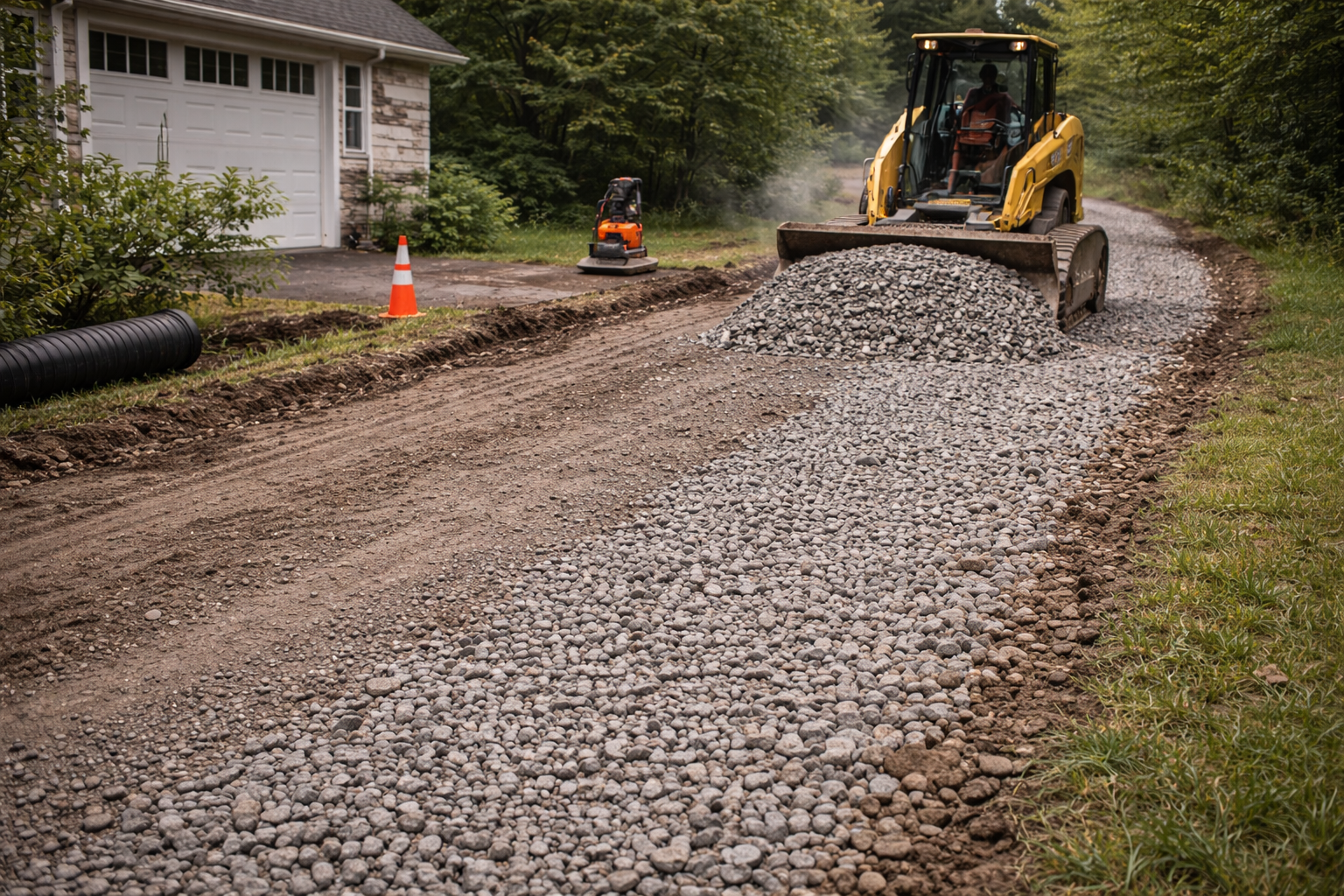
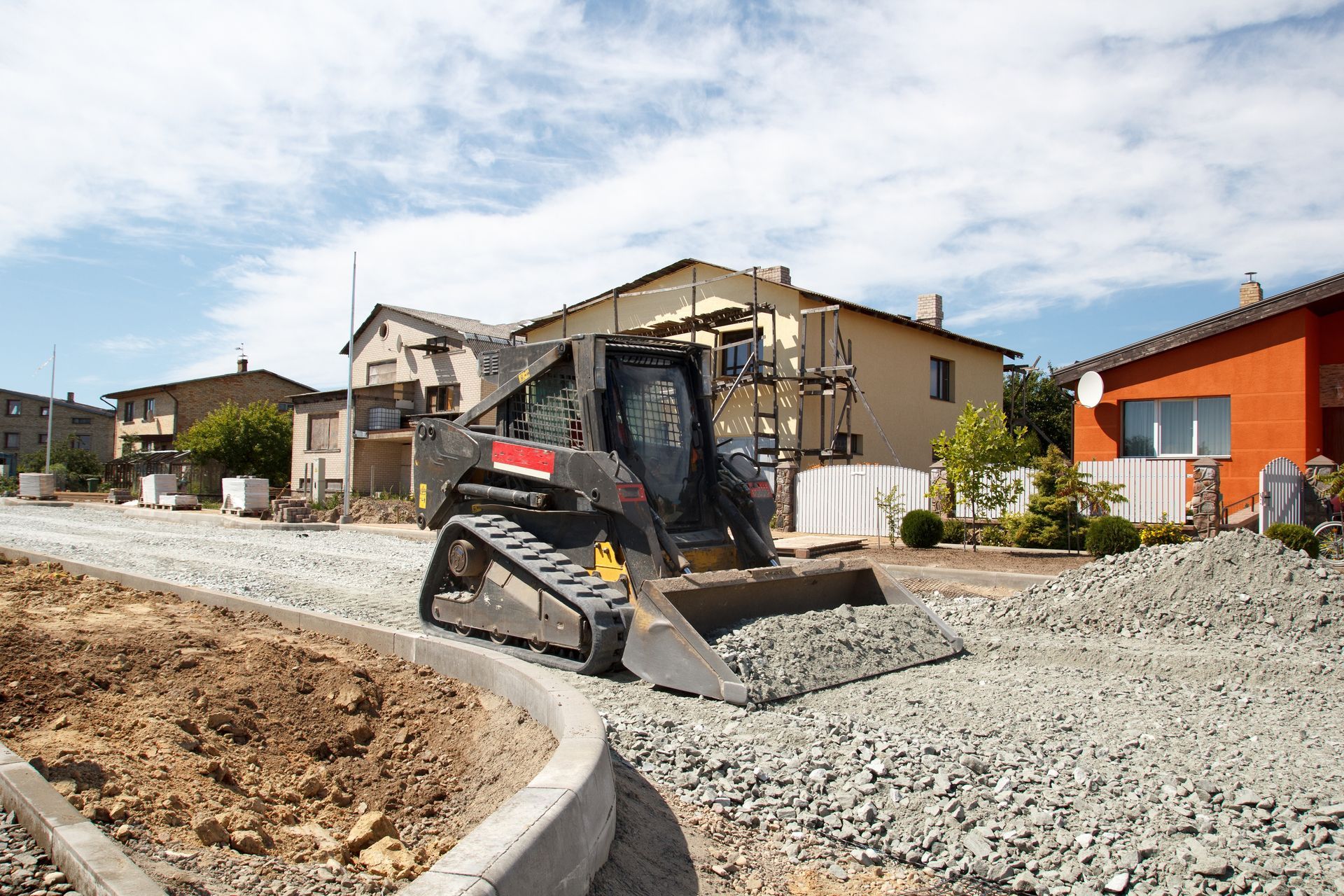
Learn when driveway widening is worth it for safety and function. Improve clearance, drainage, and stability while preventing edge failures long-term.
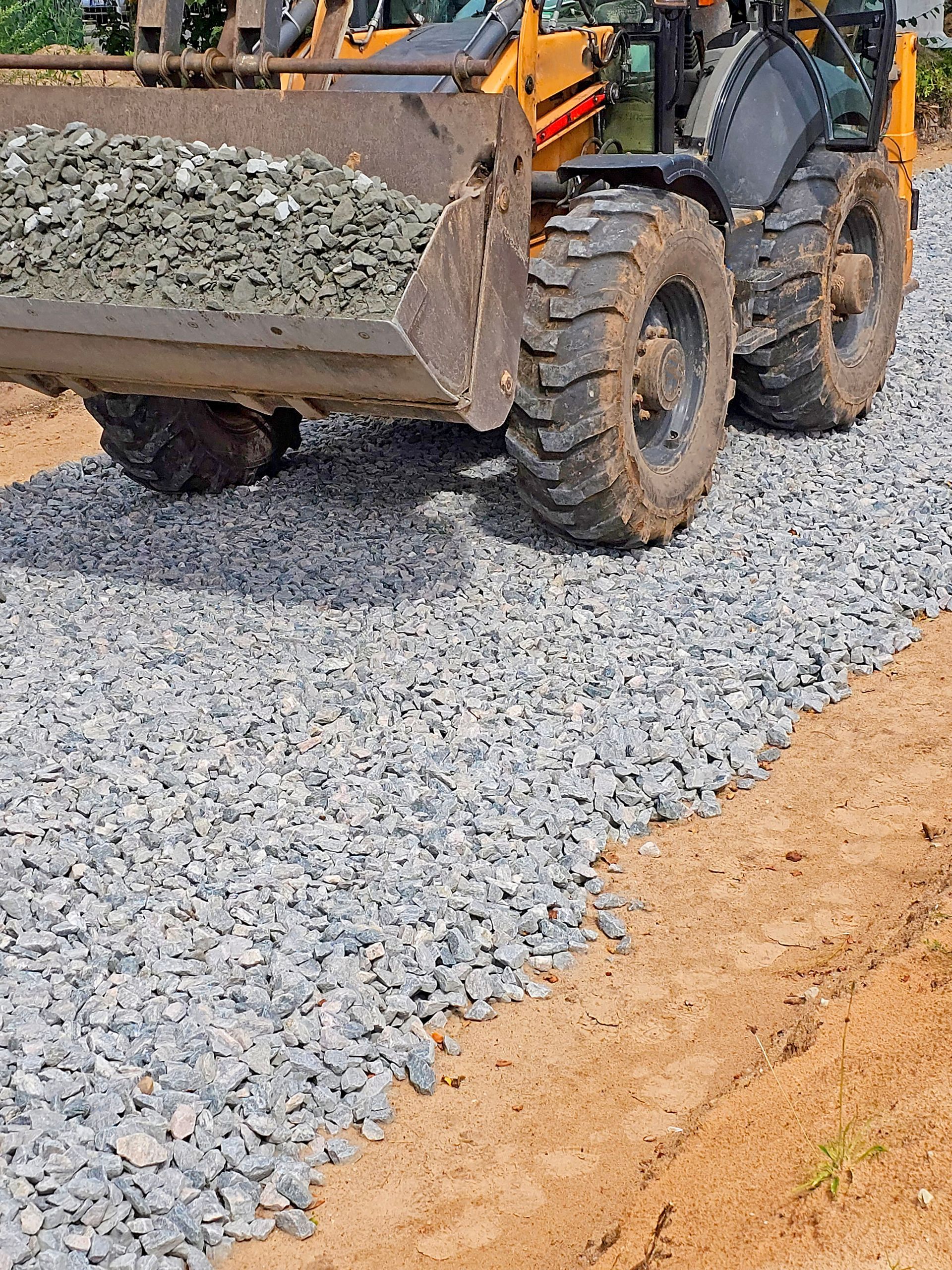
Estimate gravel for your driveway without guesswork. Learn a practical step-by-step method to plan cubic yards, depth, and include a buffer for settling.
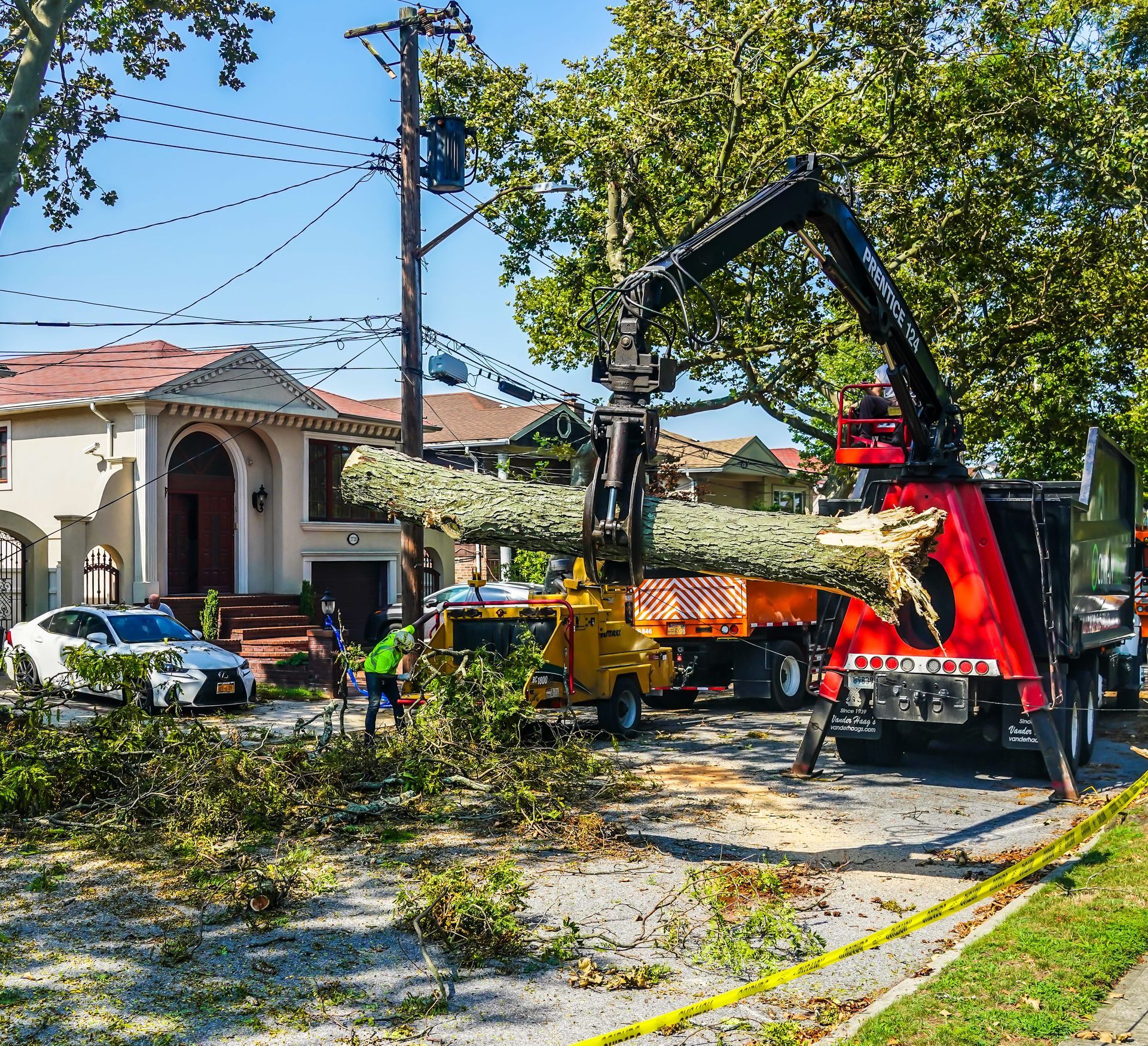
Follow our storm cleanup checklist to restore safe access, handle debris efficiently, and protect your property after storms—safety and order first.
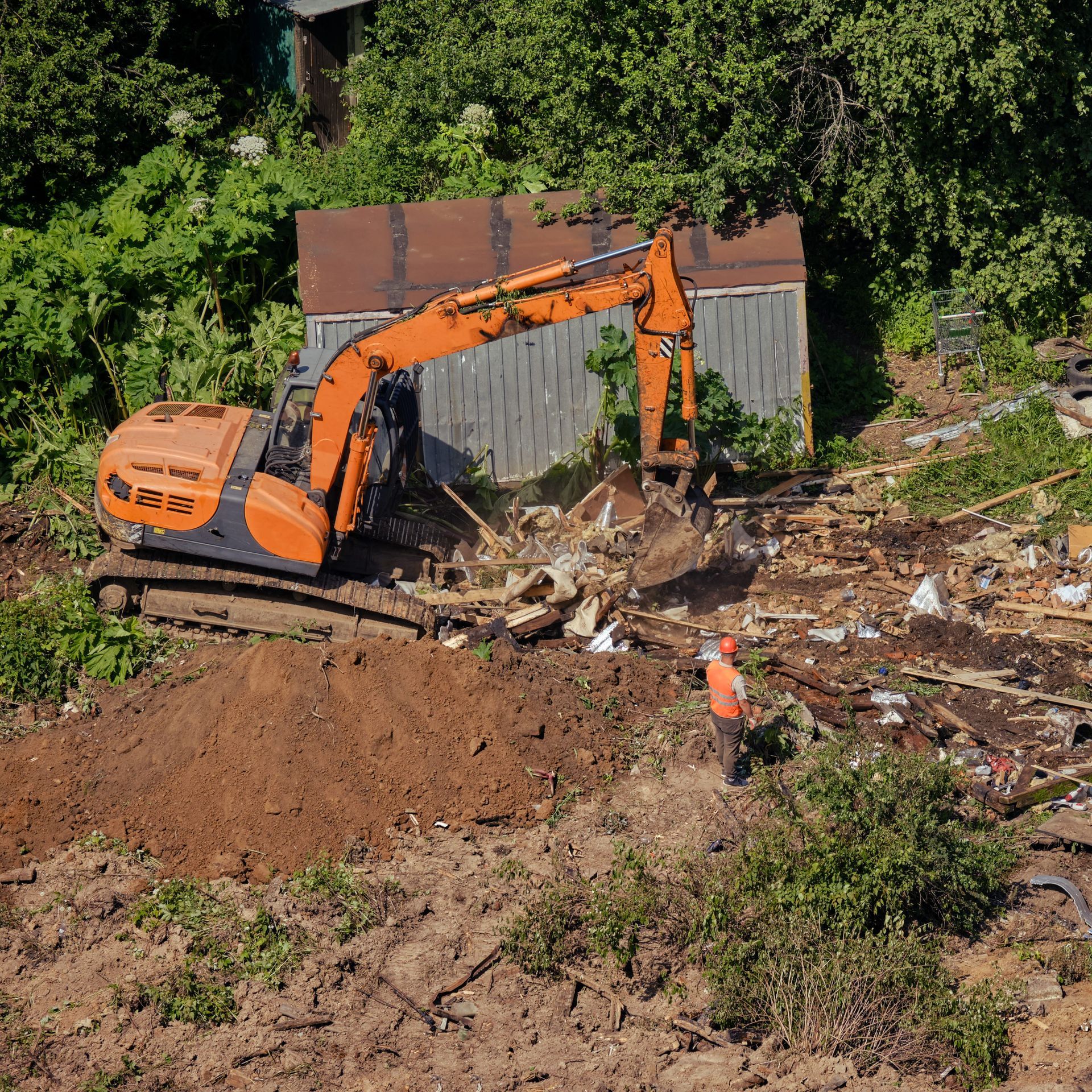
New property? Save time and money with the right cleanup order: restore access, remove hazards, plan goals, clear carefully, and fix drainage first.
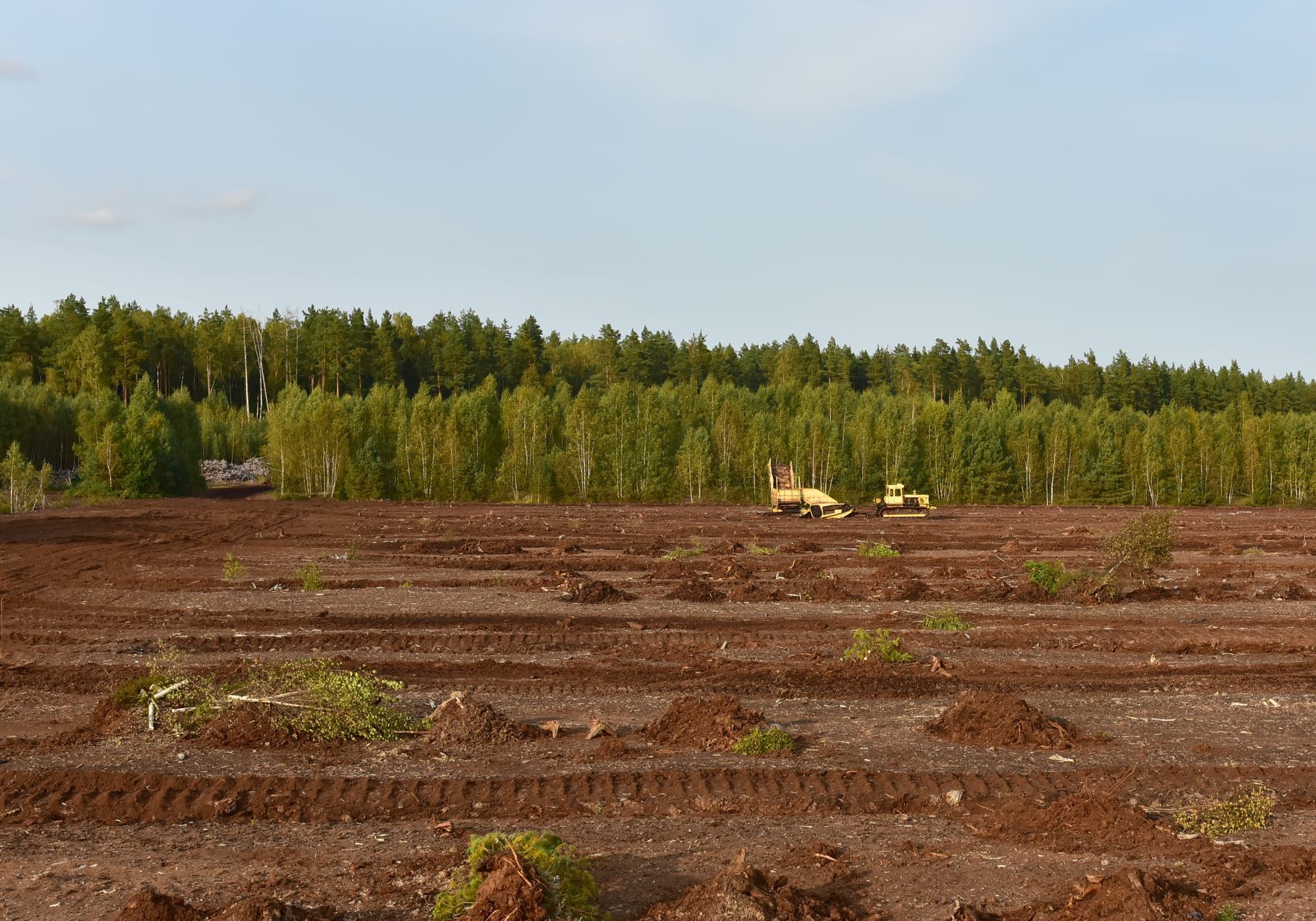
Pre-construction site prep ensures smooth builds. Learn what to clear for access, overgrowth, drainage, and base work before construction starts.
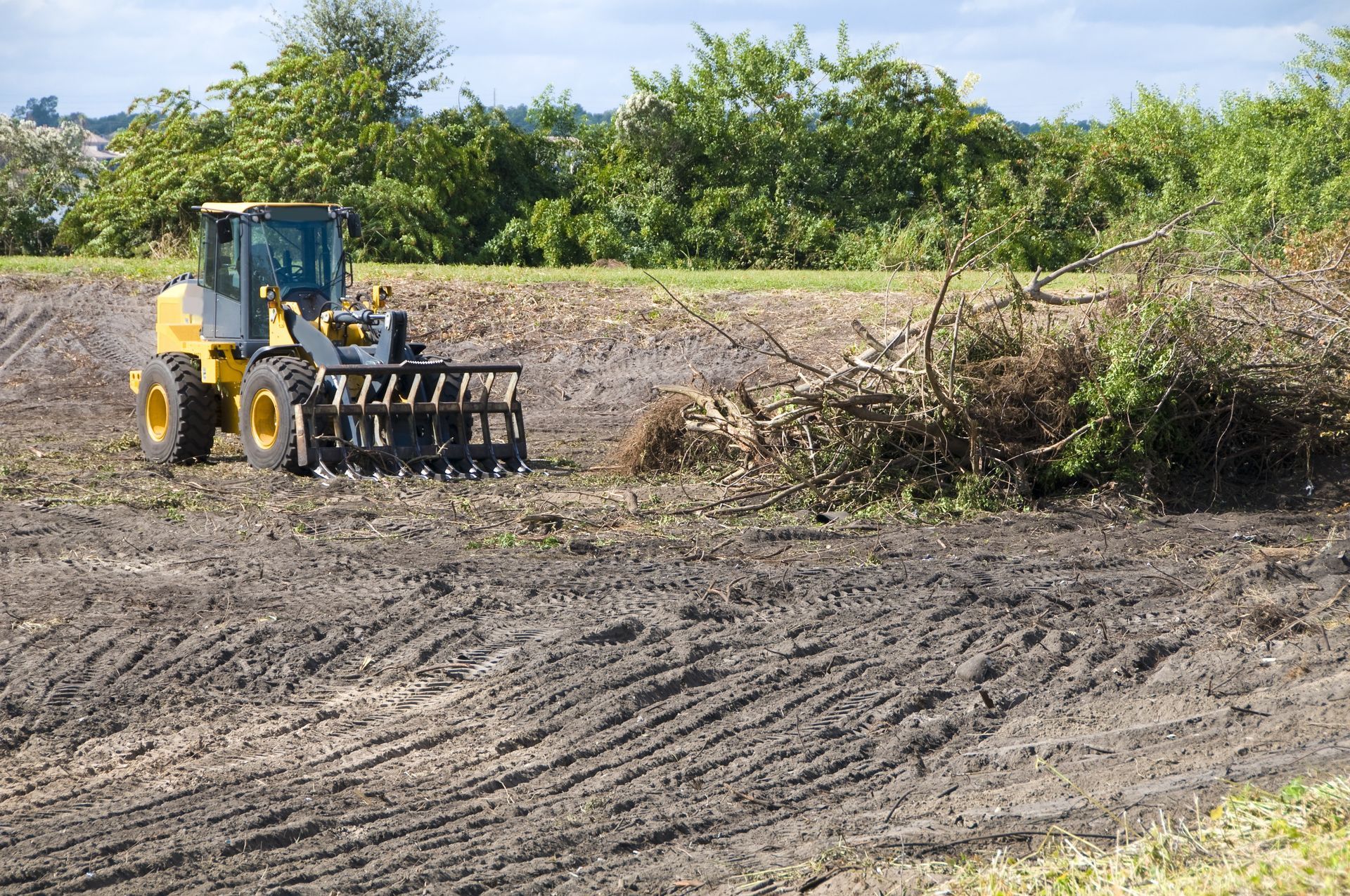
Learn what a “clean finish” in land clearing really means. Ensure usable space, controlled debris, and intentional results for your property’s next step.
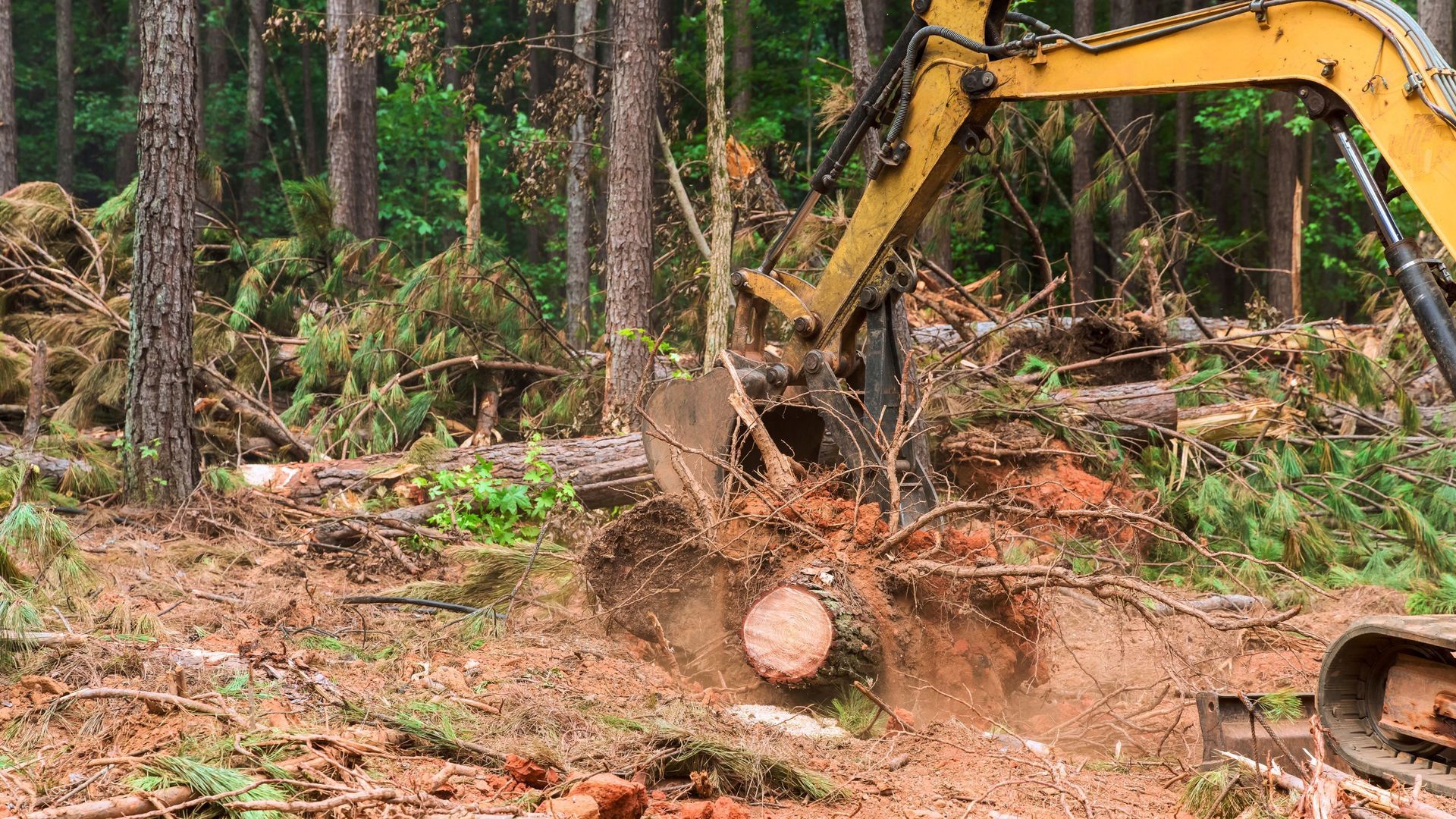
Discover the difference between brush hogging and land clearing in Evansville. Learn which approach creates usable space, preps for builds, and saves money.
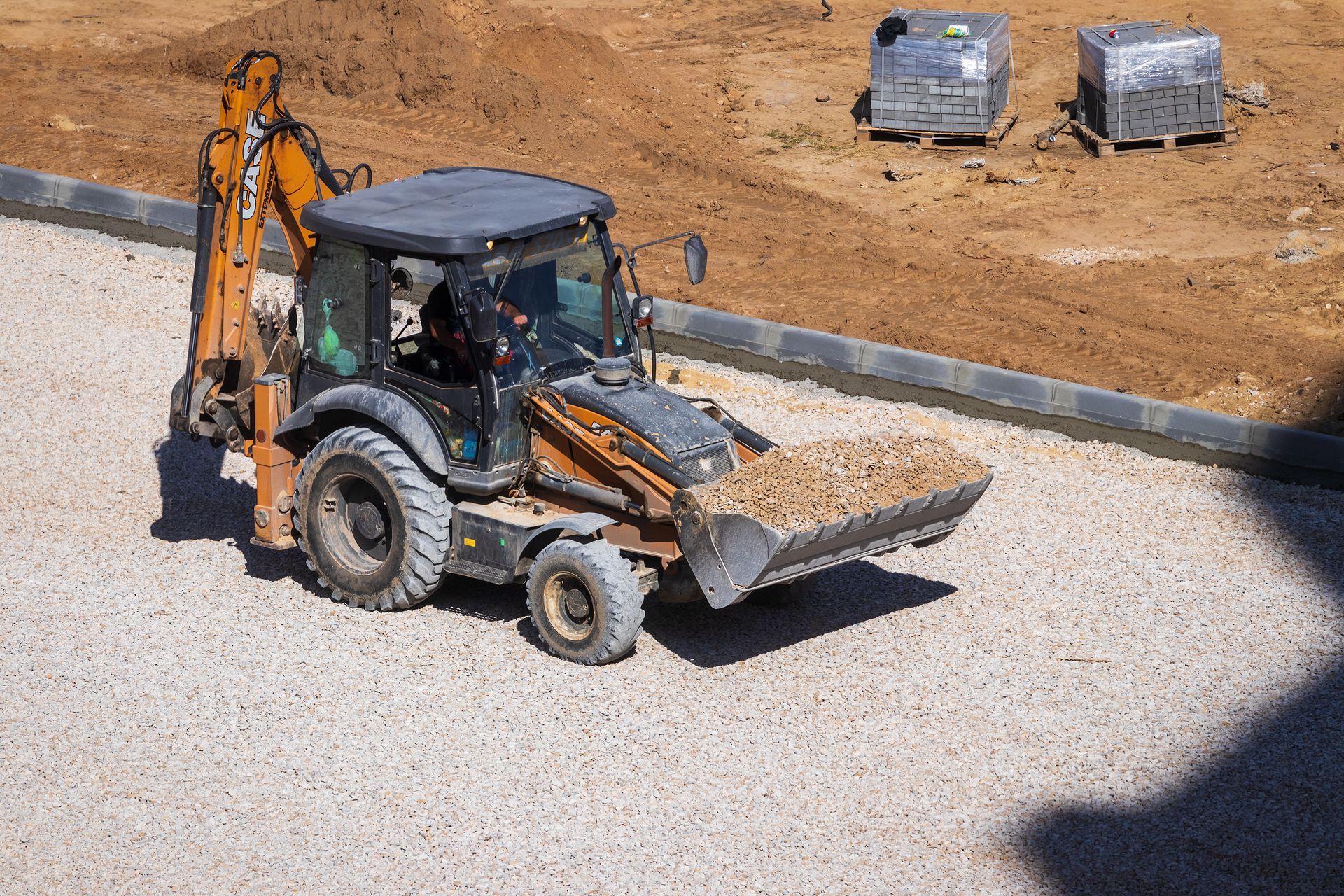
Learn how to tell if your gravel driveway needs resurfacing, regrading, or a rebuild. Solve drainage and shape issues before adding more stone.
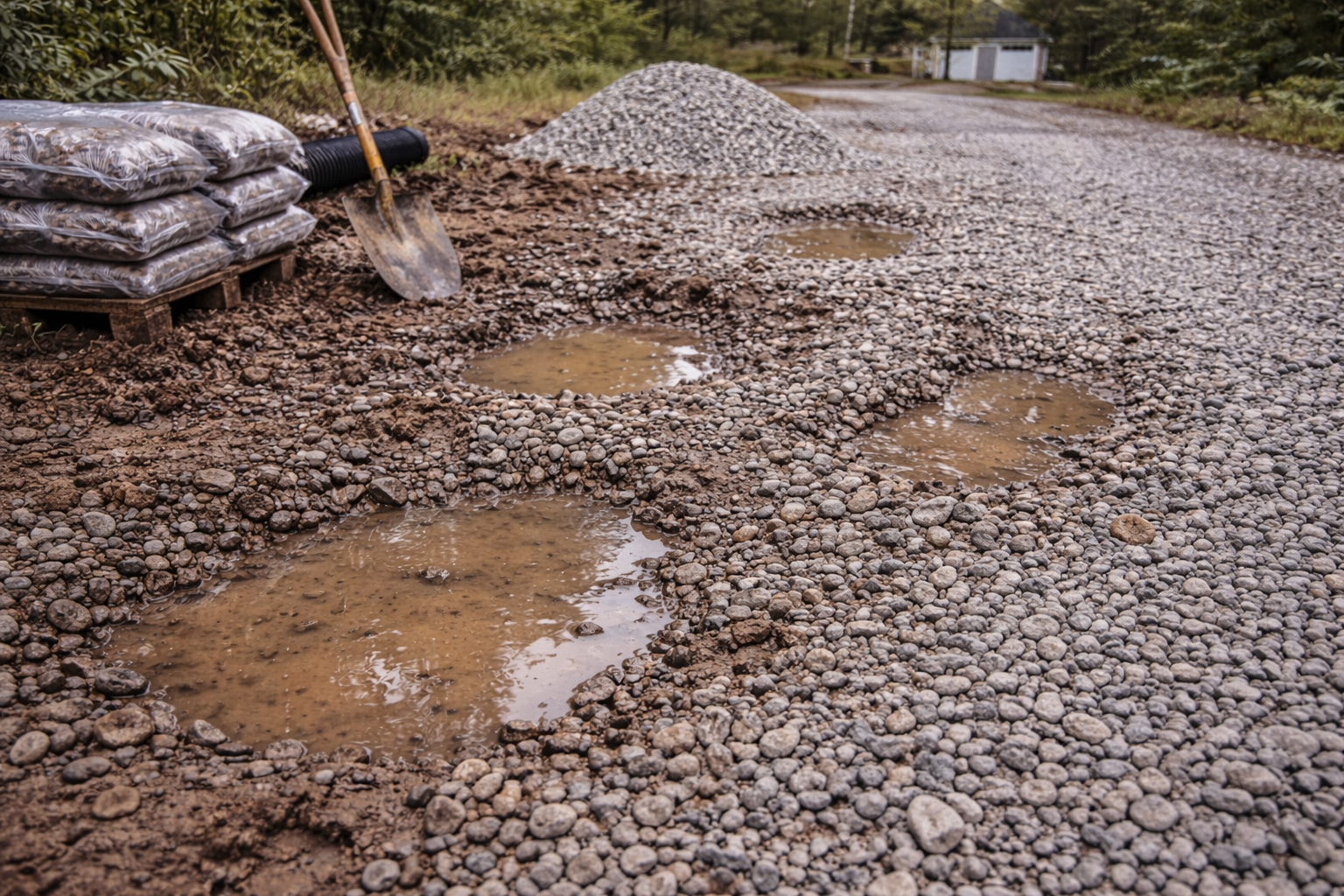
Stop recurring potholes in your gravel driveway. Learn why water, shape, and base issues matter — and how to fix the root cause, not just fill holes.
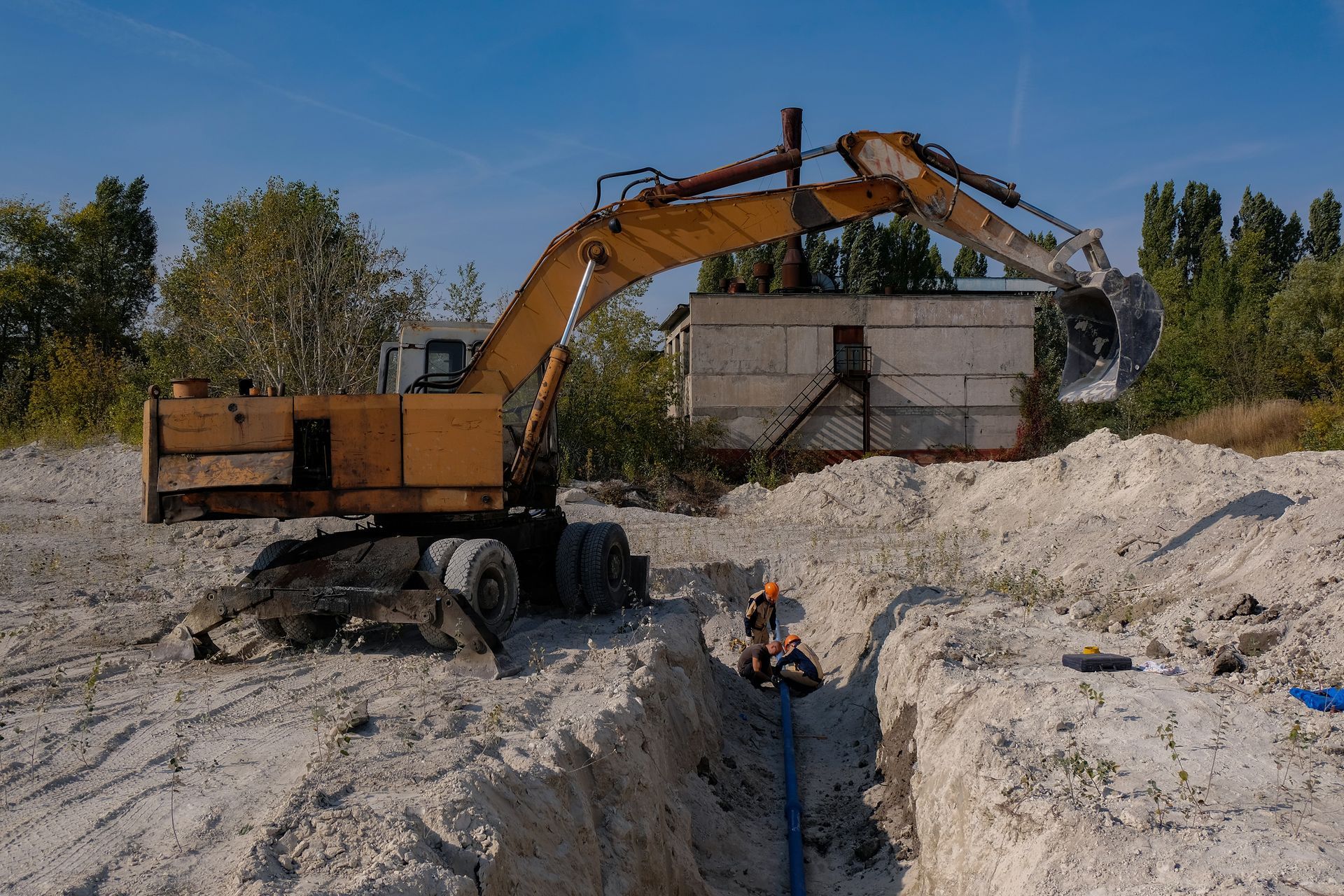
Learn how proper drainage keeps water away from buildings, prevents pooling, and protects rural property with shaping, low-spot correction, and flow control.
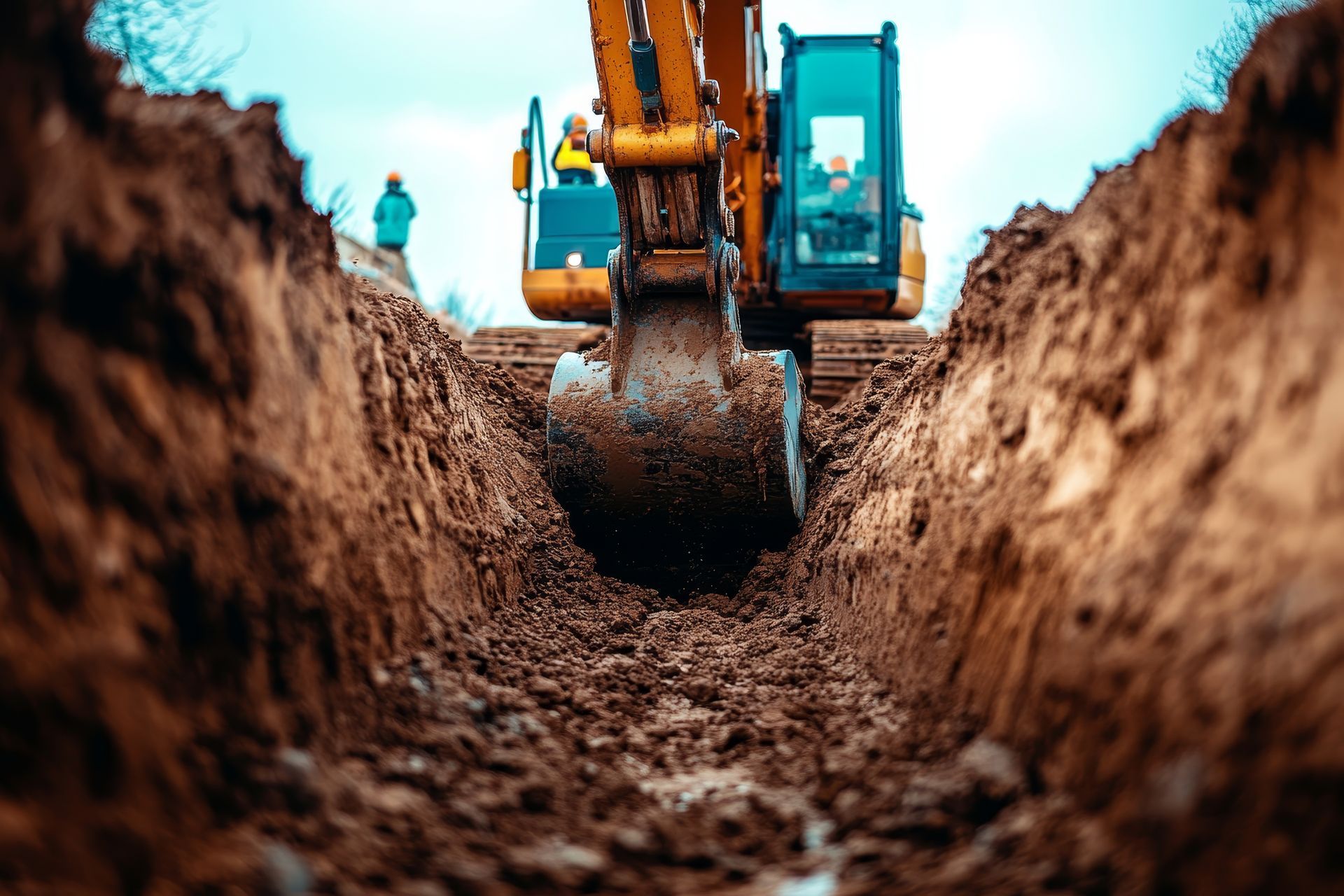
Trenching can help with drainage, but only for specific areas. Learn what it solves, its limits, and when grading or shaping is also needed.
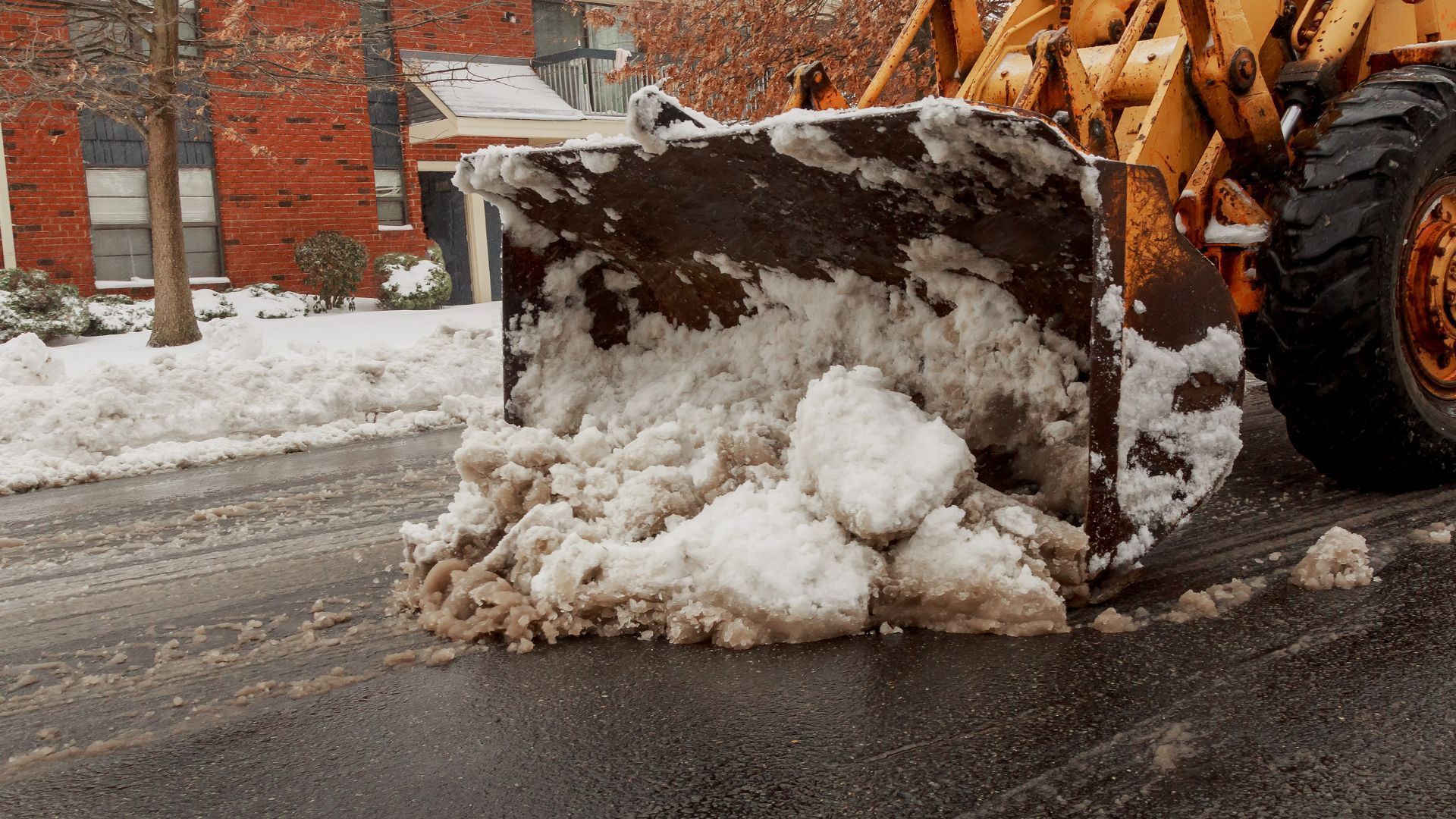
Learn how wet ground affects property work, from ruts to delays, and how smart timing and planning keep your site safe and finished correctly.