



Blog | JS Pro Services

What a “Clean Finish” Means in Land Clearing (and What to Ask For)

March 4, 2026

Looks Done. Isn’t.

  • A lot of land clearing jobs look “done” from the road… until you walk the property. That’s where the difference shows up: edges are ragged, debris is scattered, and the area isn’t actually usable.
  • A clean finish isn’t just cosmetic. It’s the difference between a property that feels maintained and one that feels like a half-finished project.
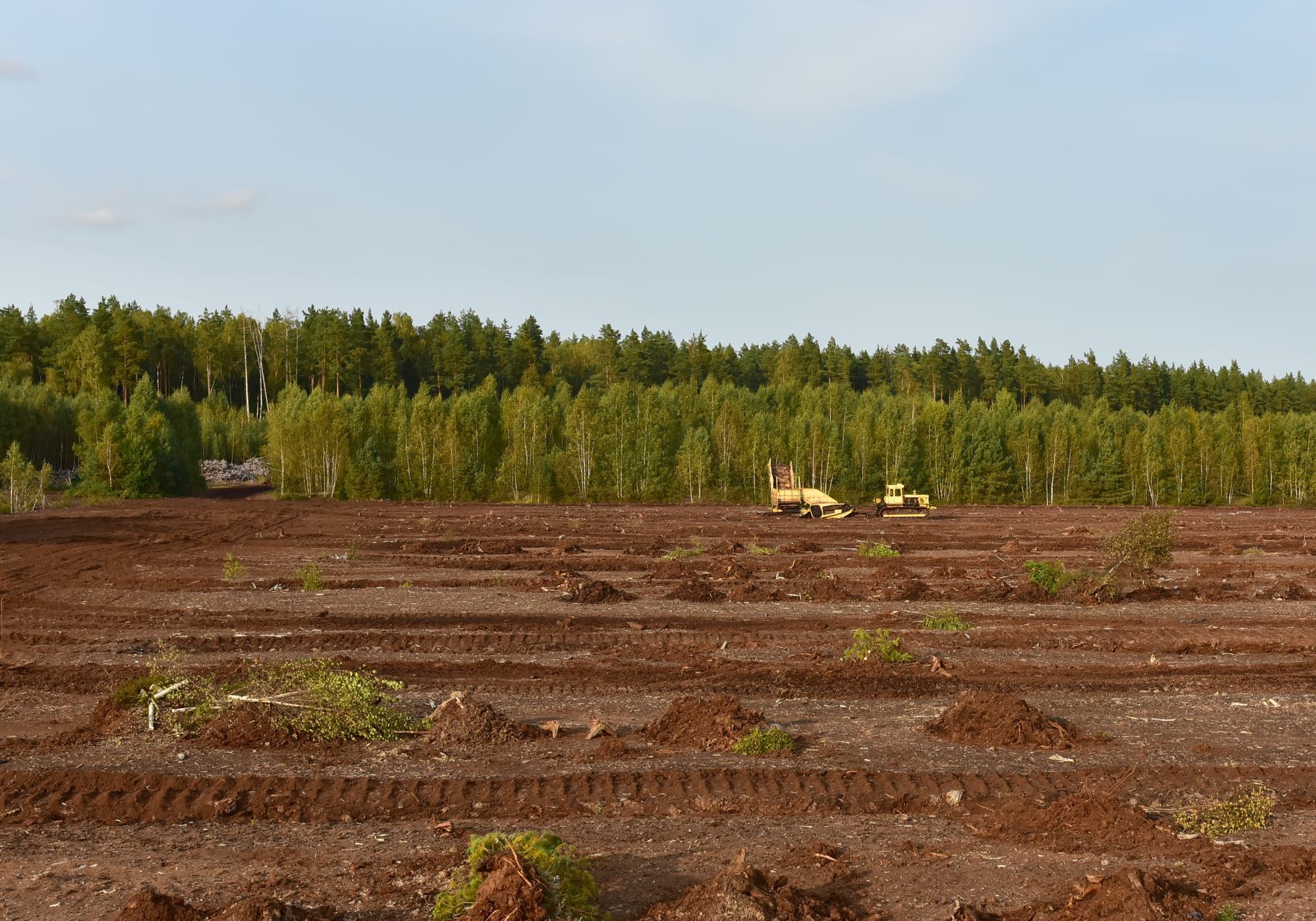
Brown field with tire tracks and small plants, two tractors in the distance, forest in background, blue sky.

What a clean finish looks like

A clean finish usually means:

  • Usable space you can walk and work in
  • Cleaner edges along lines you care about (drive paths, fence lines, structures)
  • Debris handled intentionally (hauled off or staged neatly)
  • A clear “done” outcome aligned with your next step (gravel, grading, build prep)

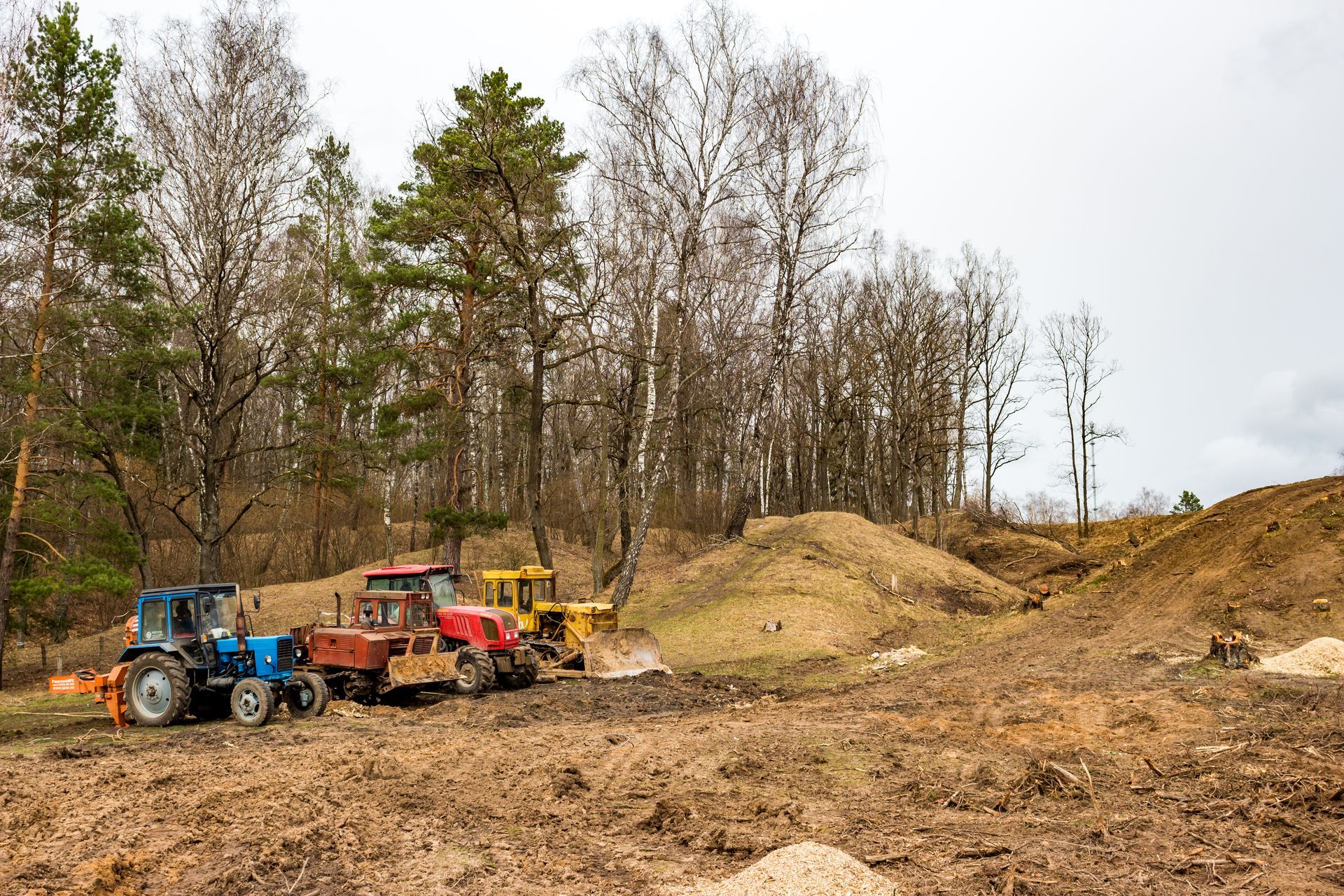
Three tractors working on a dirt field near a forest; brown, blue, red, and yellow vehicles.

What a clean finish is NOT

  • “We knocked it down.”
  • “It’s mostly cleared.”
  • “We’ll get the big stuff.”

That language is how homeowners end up with:

  • Piles everywhere
  • Remaining growth that immediately takes over again
  • Areas that can’t be used for what they planned

The three finish levels (pick the right one)

Most projects fit into one of these:

1) Basic improvement
Open it up enough to see the property and move through it.


2) Usable open space
Clear it so the area feels functional, cleaner, and easier to maintain.


3) Next-step prep
Clear and prepare intentionally for what comes next: driveway base, grading, site work, access paths.

The “right” finish depends on your goal — not a generic definition of clearing.

Why finish level affects price

Finish level changes:

  • How controlled the work must be
  • How much material is handled
  • How much detail is required at edges and transitions
  • Whether the site is being set up for a next trade

A premium result is often about planning and execution, not just time.

What to ask before the job starts

Ask these questions and you’ll avoid 90% of disappointment:

  1. “What finish level are we aiming for?”
  2. “What happens to debris?” (haul-off vs. staging)
  3. “What areas do you want me to protect?” (trees, boundaries, structures)
  4. “Is this being cleared for a next step?” (driveway, build, grading)
  5. “How will it look when you leave?” (walkthrough expectation)

THe bottom line

A clean finish isn’t a luxury — it’s the difference between a job that feels complete and one that creates more work.

  If you want clearing that looks intentional and leaves usable space

Recent Posts

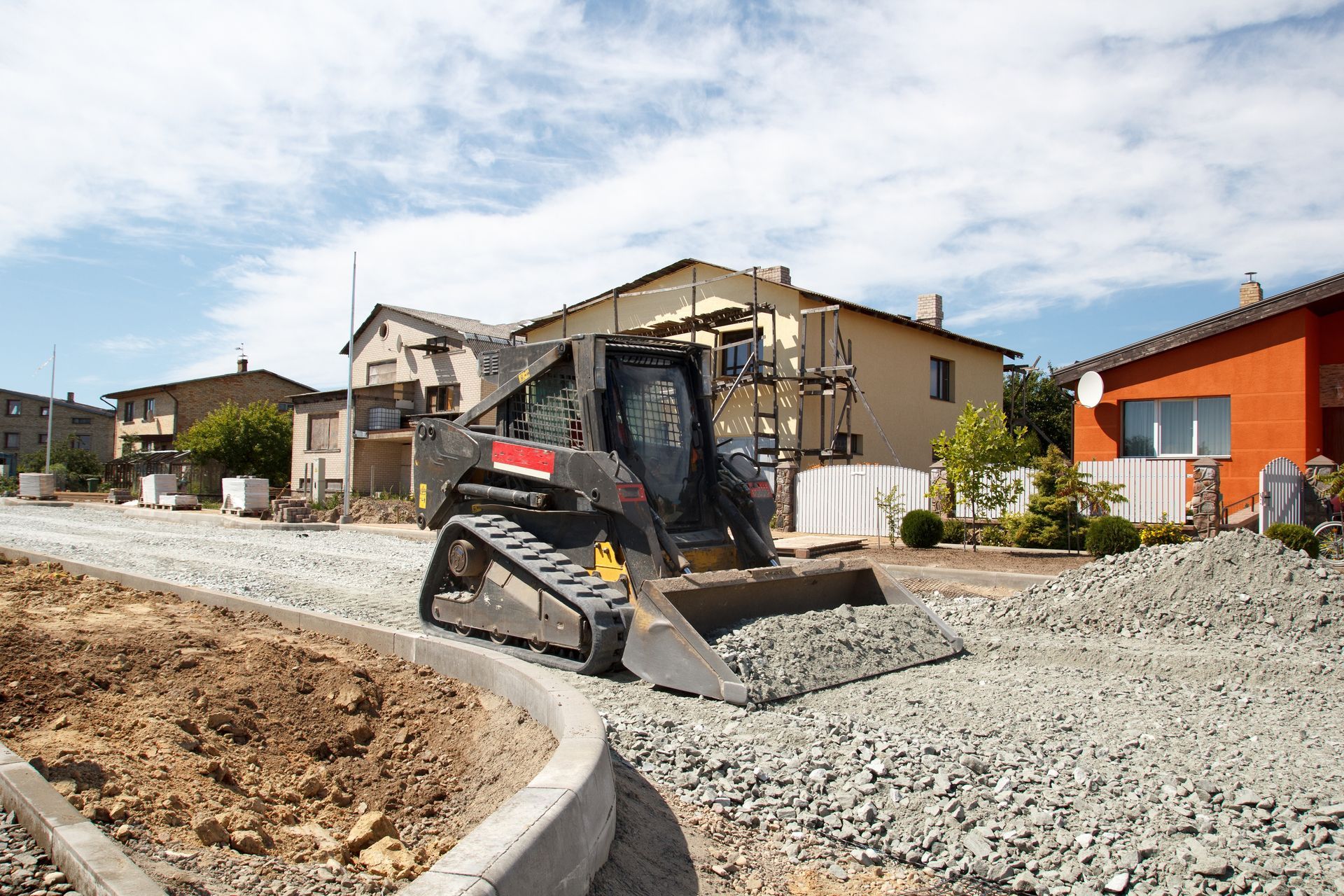
Skid steer loader on a gravel road, working on construction near houses under a blue sky.
March 4, 2026
Learn when driveway widening is worth it for safety and function. Improve clearance, drainage, and stability while preventing edge failures long-term.
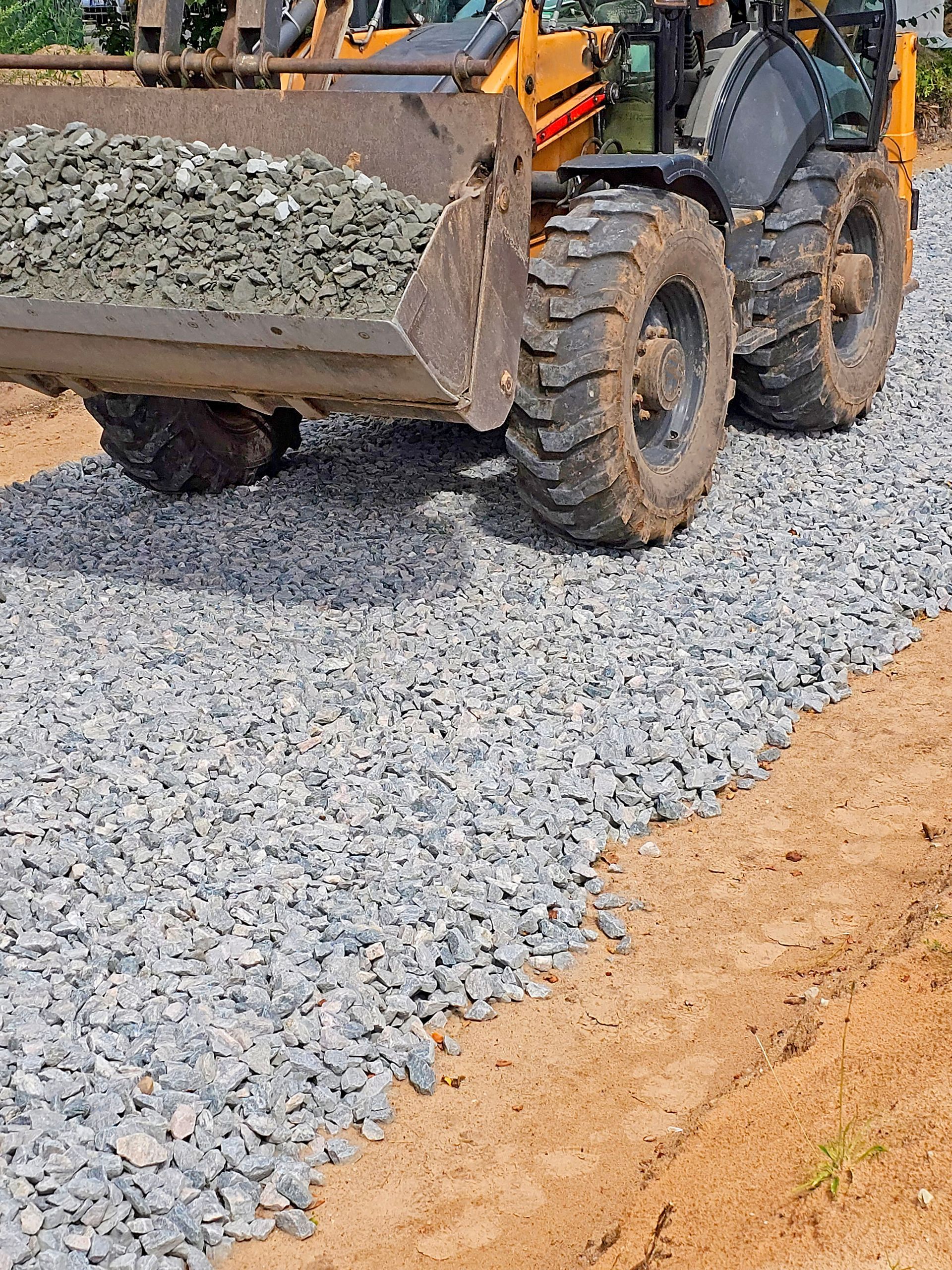
Loader dumping gravel onto a newly built roadbed.
March 4, 2026
Estimate gravel for your driveway without guesswork. Learn a practical step-by-step method to plan cubic yards, depth, and include a buffer for settling.
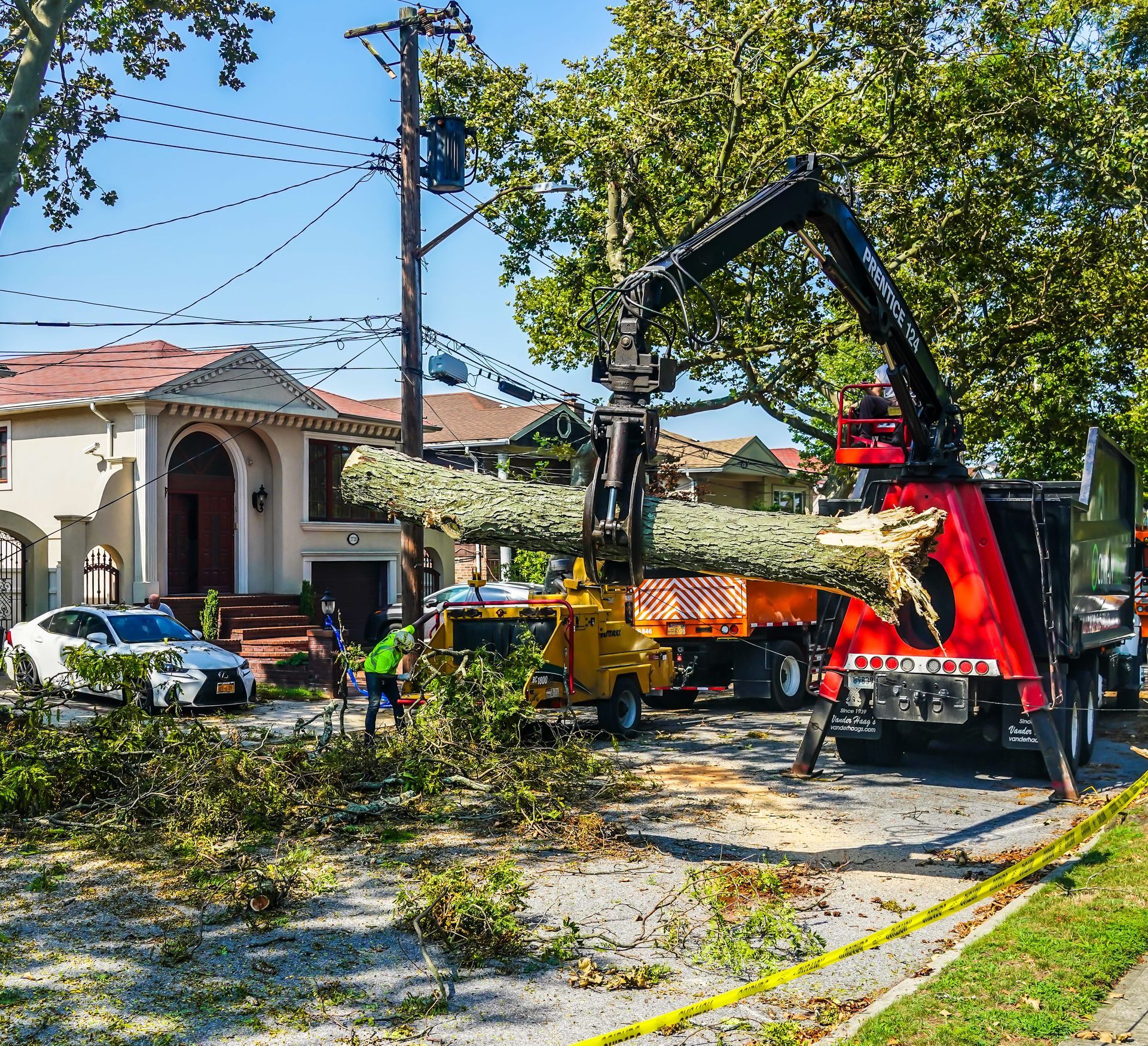
Tree branches being fed into a wood chipper on a residential street. Workers and utility truck in the background.
March 4, 2026
Follow our storm cleanup checklist to restore safe access, handle debris efficiently, and protect your property after storms—safety and order first.
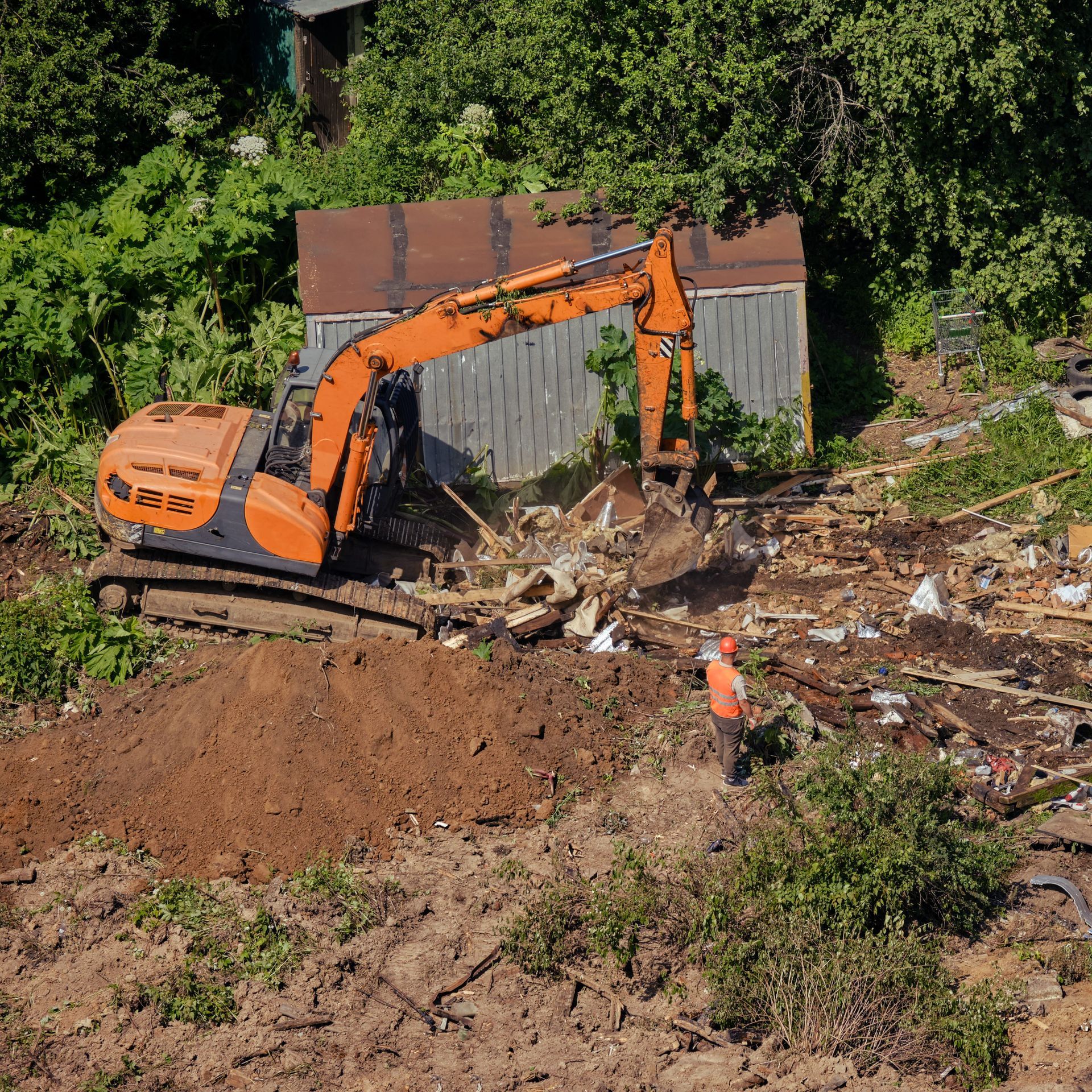
An orange excavator demolishes a building with a worker nearby in a forested area.
March 4, 2026
New property? Save time and money with the right cleanup order: restore access, remove hazards, plan goals, clear carefully, and fix drainage first.
Brown field with rows and machinery, forest background under a blue sky.
March 4, 2026
Pre-construction site prep ensures smooth builds. Learn what to clear for access, overgrowth, drainage, and base work before construction starts.
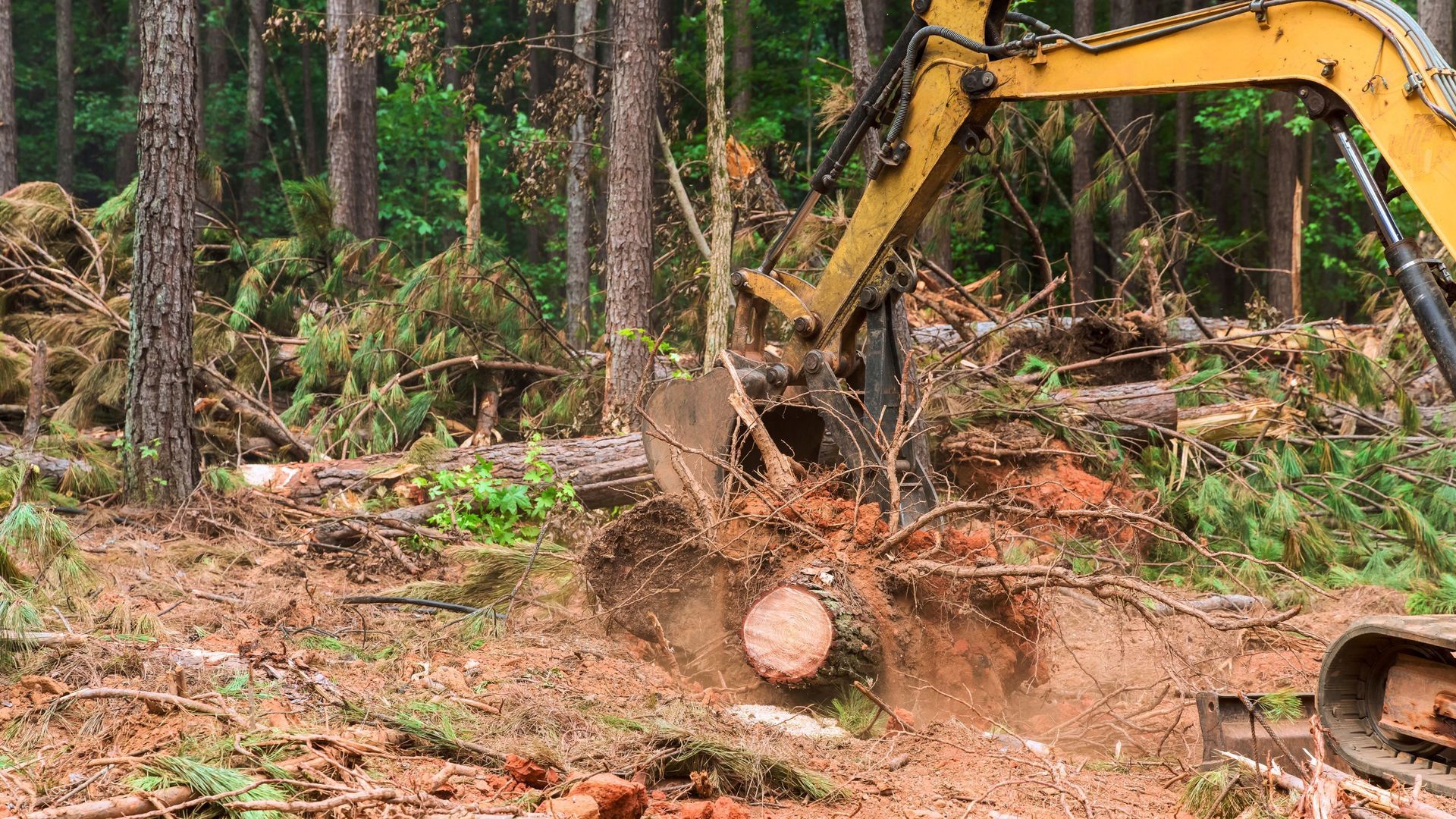
Yellow excavator uprooting a tree in a forest, clearing the land.
March 4, 2026
Discover the difference between brush hogging and land clearing in Evansville. Learn which approach creates usable space, preps for builds, and saves money.
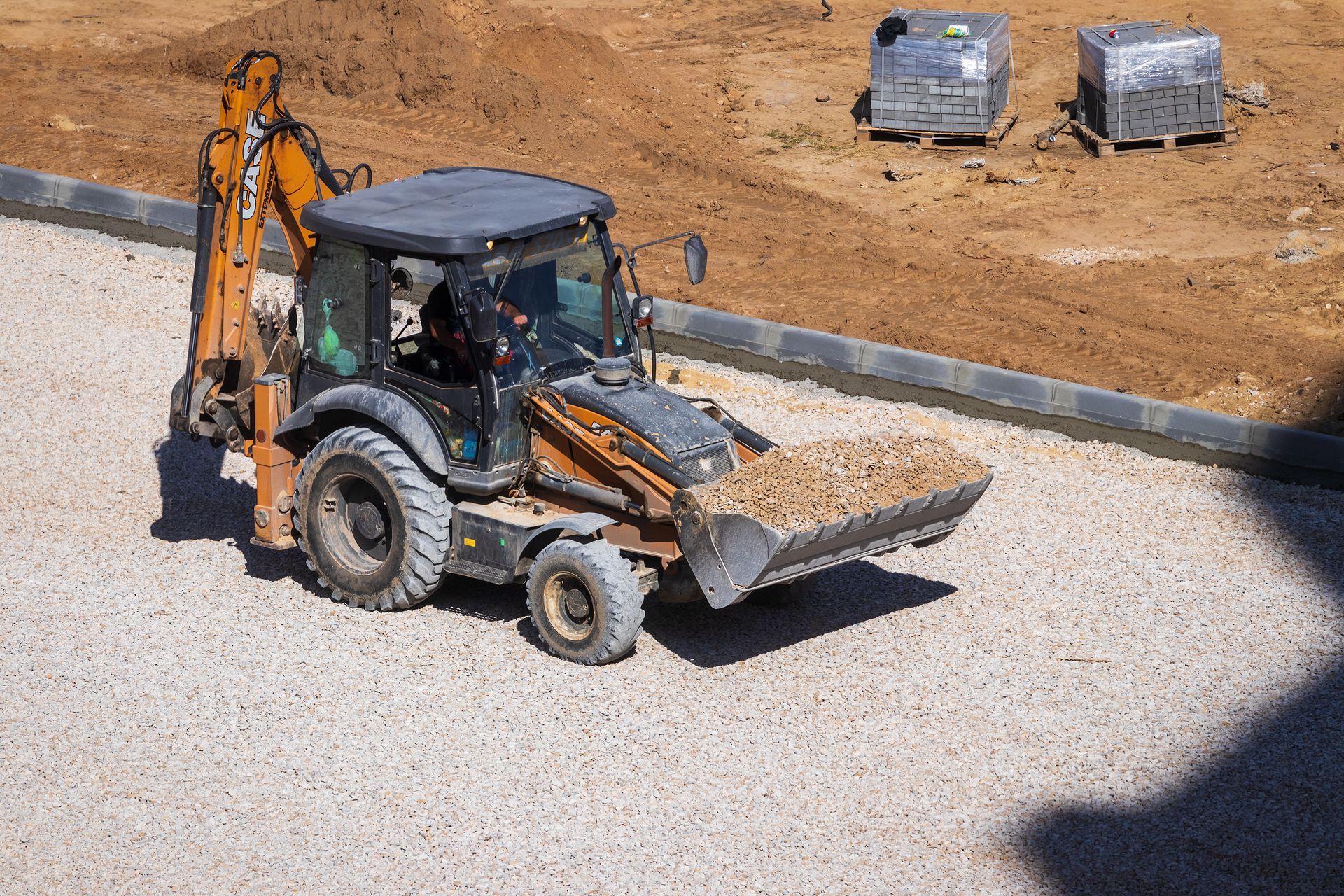
Backhoe loader on gravel, scooping up material on a construction site.
March 4, 2026
Learn how to tell if your gravel driveway needs resurfacing, regrading, or a rebuild. Solve drainage and shape issues before adding more stone.
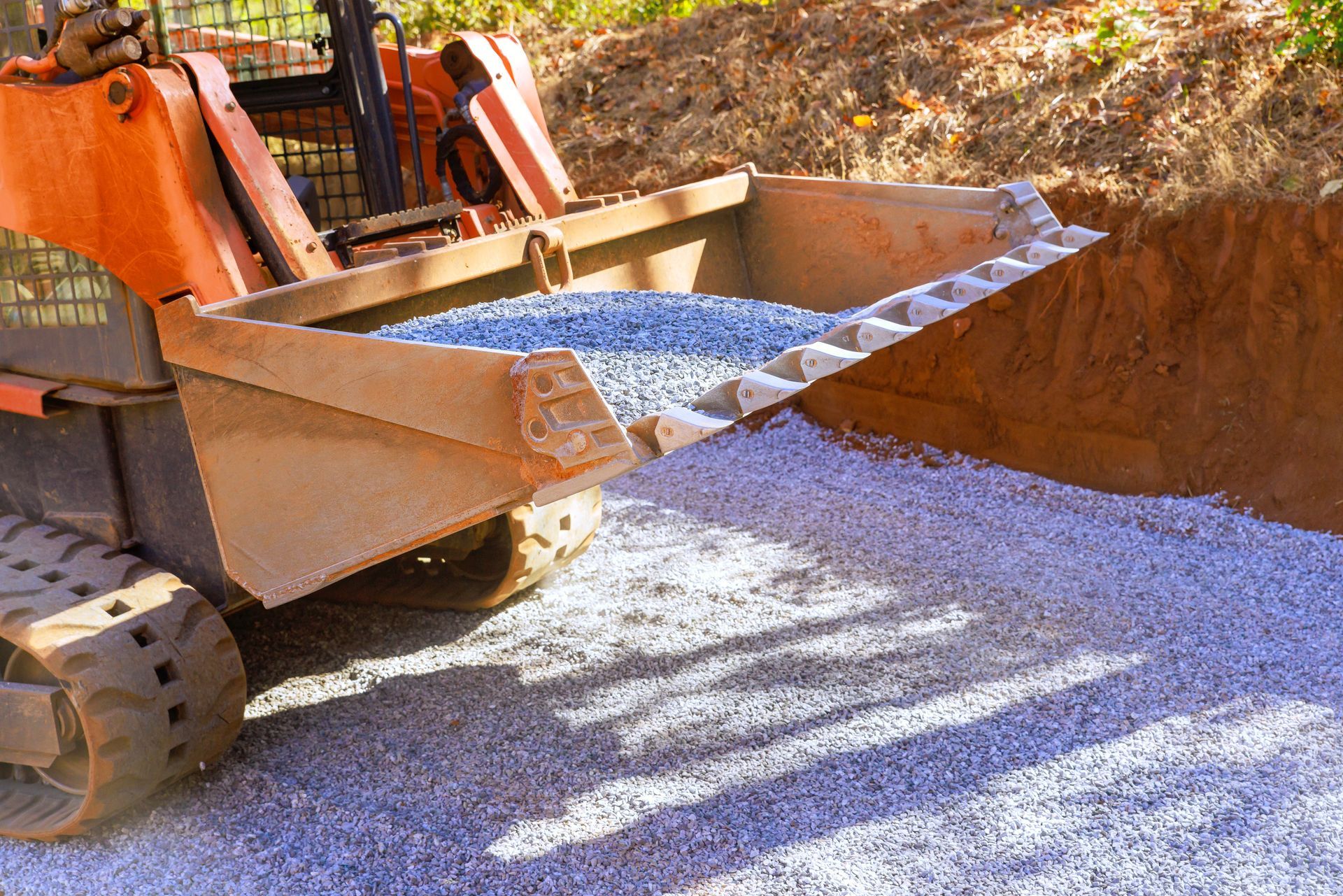
Orange skid steer dumping gravel on a prepared surface at a construction site.
March 4, 2026
Ruts in gravel driveways are usually caused by water, shape, or soft spots. Learn how proper grading, drainage, and edges prevent recurring damage.
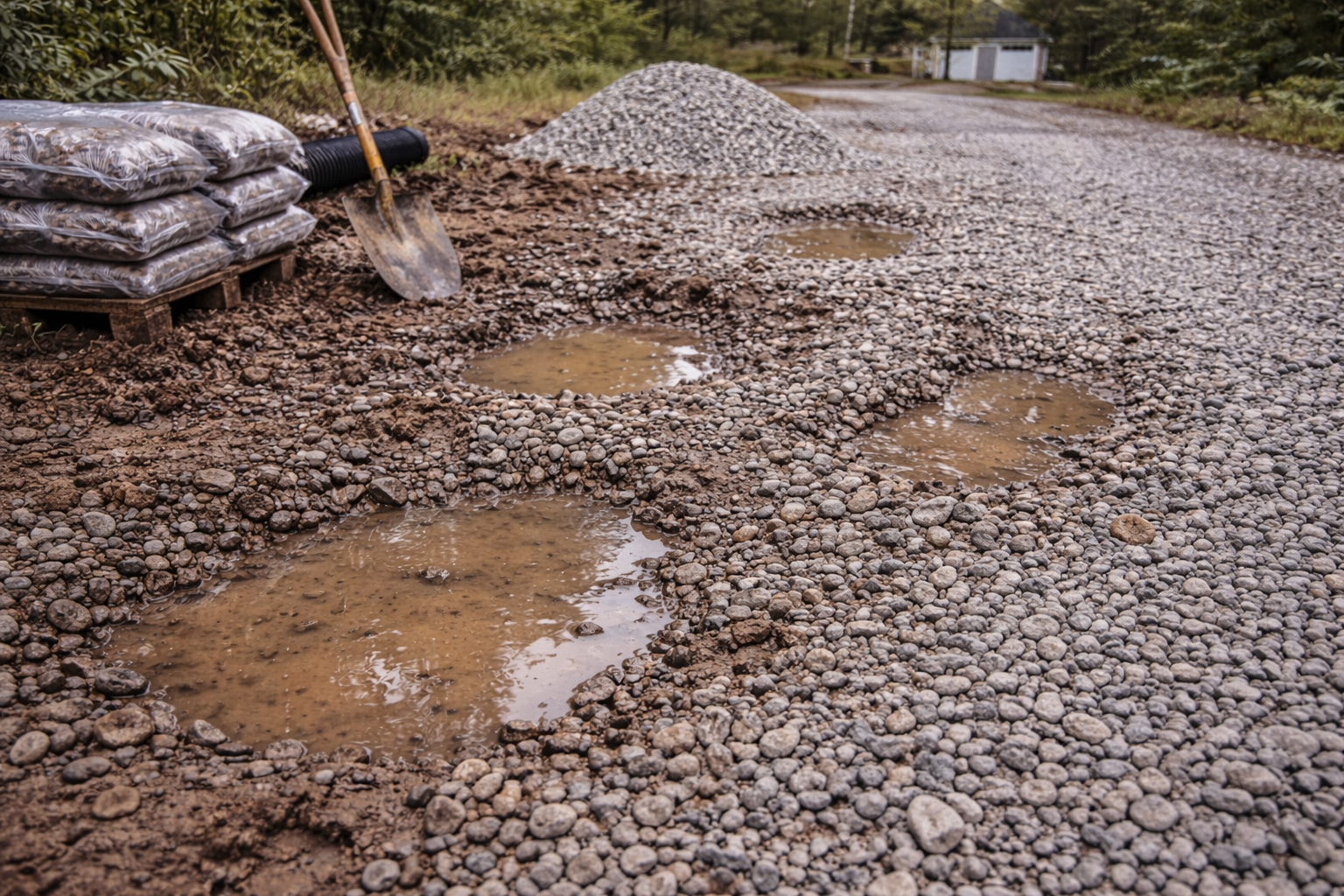
Gravel driveway with puddles and construction materials: bags, shovel, and pile of gravel.
March 4, 2026
Stop recurring potholes in your gravel driveway. Learn why water, shape, and base issues matter — and how to fix the root cause, not just fill holes.
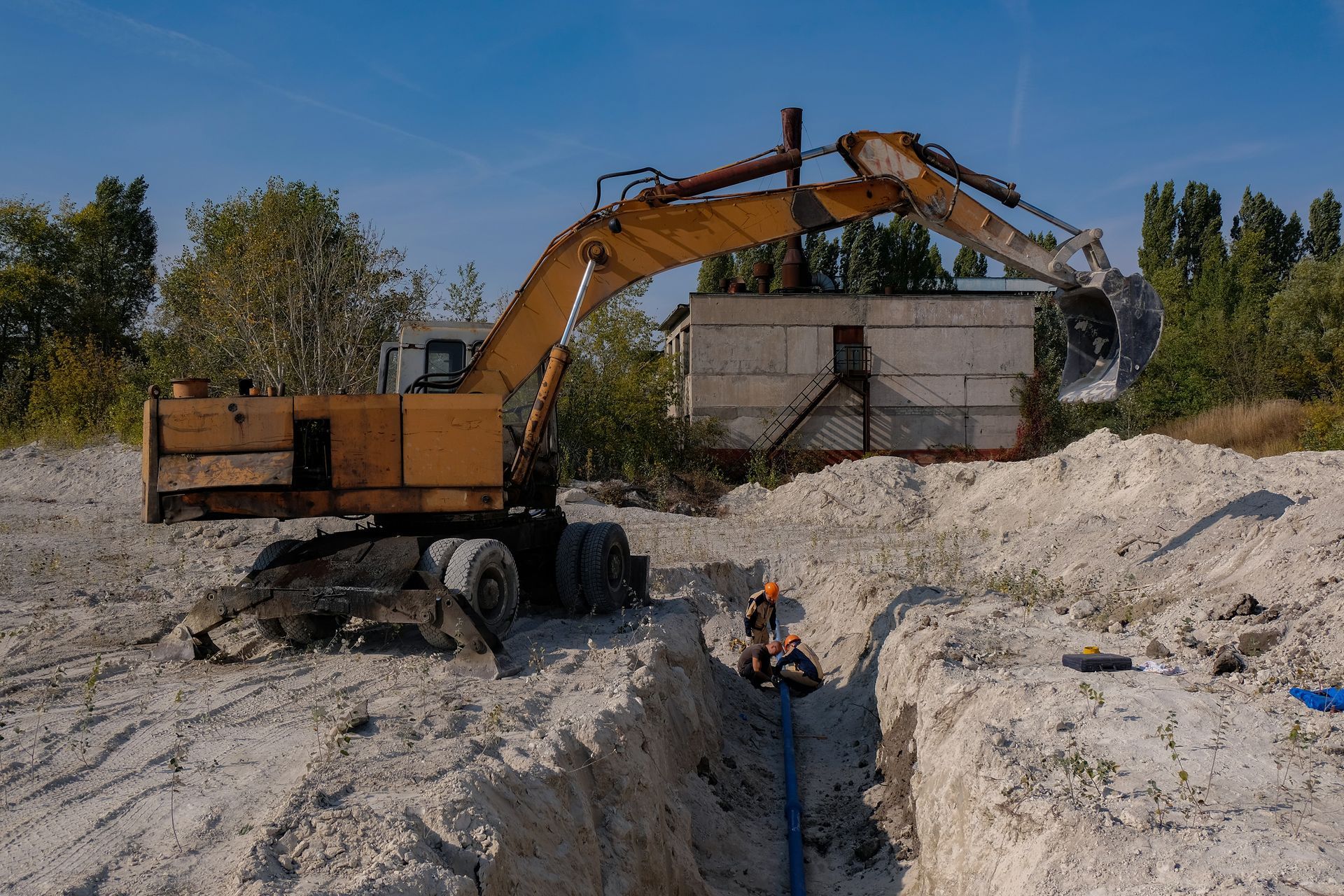
Yellow excavator over a trench, worker in the trench, white dirt, blue pipe, small building, trees, and a clear blue sky.
March 4, 2026
Learn how proper drainage keeps water away from buildings, prevents pooling, and protects rural property with shaping, low-spot correction, and flow control.
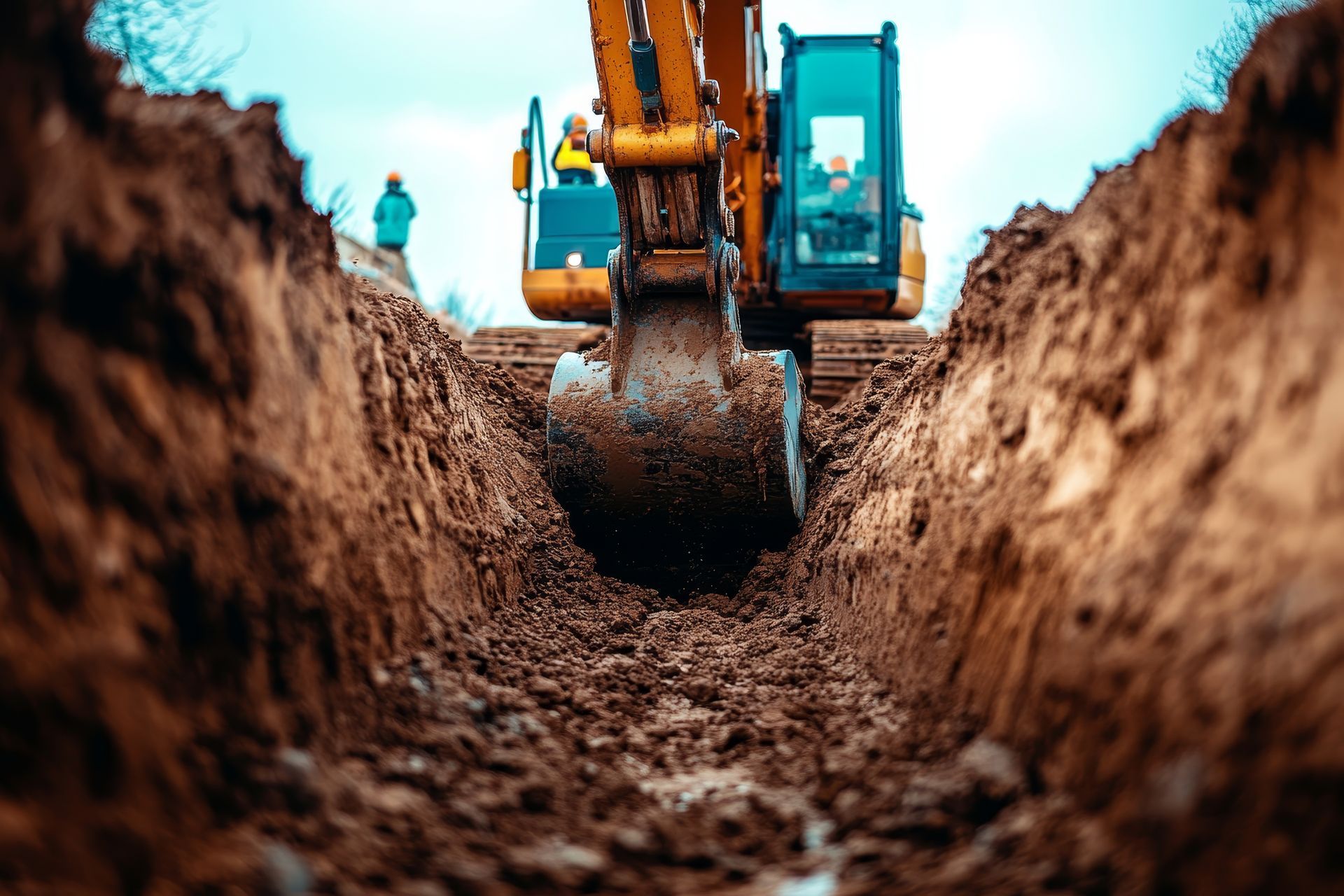
Excavator digging a trench in brown soil, with a person in the background.
March 4, 2026
Trenching can help with drainage, but only for specific areas. Learn what it solves, its limits, and when grading or shaping is also needed.
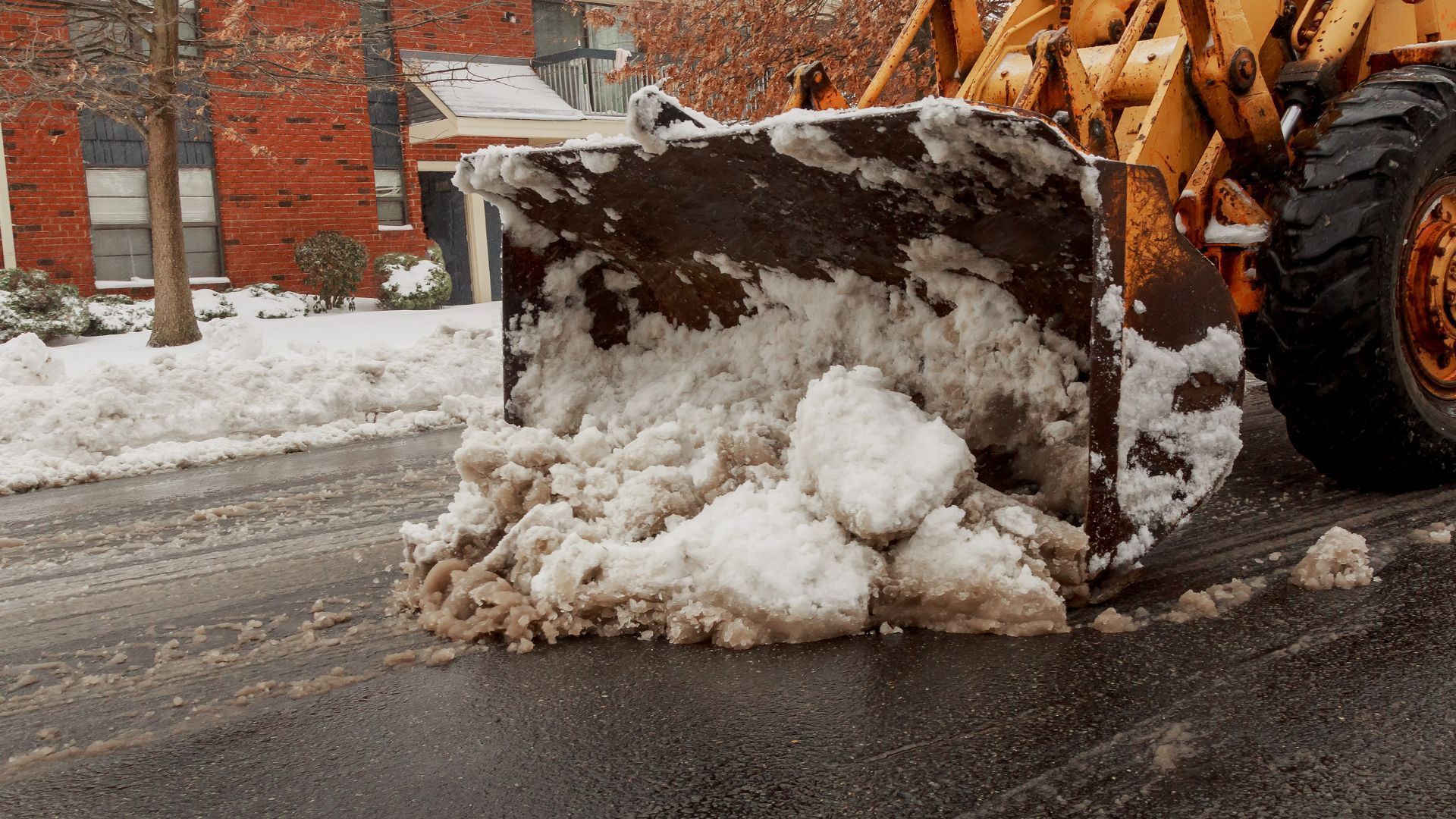
Snowplow clearing snow from a street in front of brick buildings.
March 4, 2026
Learn how wet ground affects property work, from ruts to delays, and how smart timing and planning keep your site safe and finished correctly.